

Farmkart Agronomy Guide
Rust Disease Control in Crops: Fungicides, Symptoms and Dosage
A complete field guide to rust disease in wheat, soybean, mustard and groundnut, including symptom identification, fungicide comparison, spray timing and resistance-safe control.
Reviewed by Dr. Raichand, Senior Agronomist, Farmkart
What Is Rust Disease?
Rust disease is a group of fungal infections that produce raised powdery pustules on leaves, stems and sometimes pods. In Indian crops, the most important forms include yellow rust, brown rust and stem rust in wheat, soybean rust, groundnut rust and white rust in mustard. The disease spreads fastest when leaves stay wet and the canopy remains humid. Yield loss comes from early leaf drying, poor grain filling and reduced photosynthesis.
The practical rule is simple: identify pustules early, protect the flag leaf in wheat and spray a registered triazole or combination fungicide before infection becomes widespread.
Rust Fungicide Comparison
Use this table to compare common rust-control options. Prices change by pack size and availability, so check the current product page before planning acre cost.
| Product | Active ingredient | Best for | Dose | PHI | Price / acre | Farmkart |
|---|---|---|---|---|---|---|
| Bayer Nativo | Tebuconazole 50% + Trifloxystrobin 25% WG | Yellow rust, brown rust, stem rust, powdery mildew | 0.5 g per litre water | 7 days | Check current price | Buy Nativo |
| Propiconazole 25% EC | Propiconazole | Yellow rust, brown rust, leaf blight | 1 ml per litre water | 14 days | Check current price | Buy Propiconazole |
| Amistar Top | Azoxystrobin + Difenoconazole | Broad spectrum rust, leaf spot, blight | 1 ml per litre water | 7 days | Check current price | Check availability |
| Tebuconazole 50% EC | Tebuconazole | Yellow rust and brown rust in cereals | 1 ml per litre water | 14 days | Check current price | Buy Tebuconazole |
Field Decision Guide
| Use case | Recommended option | When to use |
|---|---|---|
| First orange or yellow pustules | Use a triazole-based fungicide such as tebuconazole or propiconazole | Spray immediately when pustules appear on 5-10% of leaves. |
| Mixed rust plus mildew pressure | Use Bayer Nativo where label permits the crop and disease | Use at early infection before the disease reaches the flag leaf. |
| High-risk wheat belt conditions | Scout weekly from tillering to grain filling and prepare preventive spray | Cool, humid mornings and dense canopy increase rust spread. |
Application Timing Guide
Identify the rust type before spraying
Yellow rust usually forms narrow yellow-orange stripes on wheat leaves. Brown rust forms scattered orange-brown pustules. Stem rust creates darker reddish-brown to black pustules on stems and leaf sheaths. White rust in mustard appears as white raised blisters and is a different disease complex.
Spray at first sign of pustules
Do not wait for full-field infection. Rust can move quickly from lower leaves to the flag leaf, where yield loss is highest. Use clean water, maintain full leaf coverage, and apply in the morning or evening when wind is low.
Repeat after 14 days only if infection persists
If weather remains cool and humid or new pustules continue to appear, repeat after 14 days with a permitted chemistry. Rotate fungicide groups where possible to reduce resistance pressure.
Use agronomy prevention alongside fungicide
Choose tolerant varieties where available, avoid excess nitrogen, keep balanced potassium, and remove volunteer host plants. Fungicide works best as part of an integrated disease management plan, not as the only control.
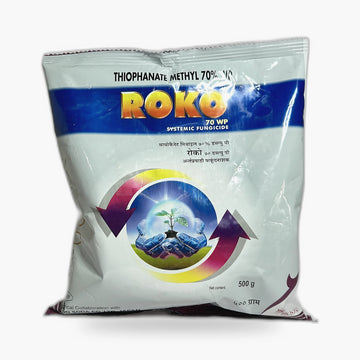
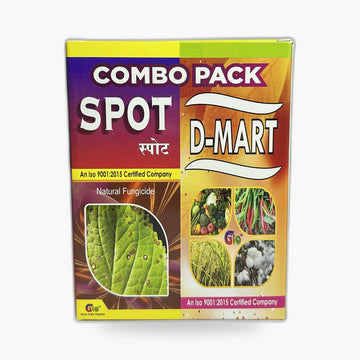
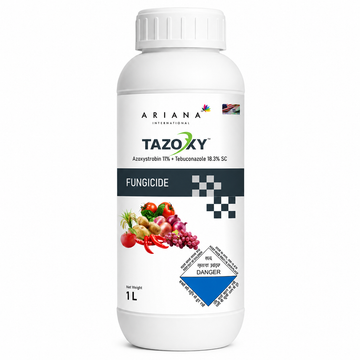
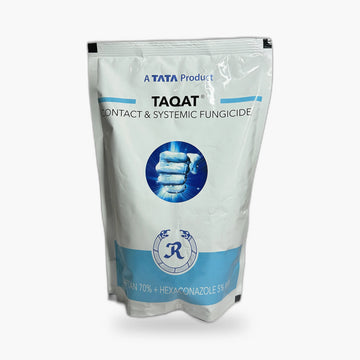
Shop Rust Disease Control Products
ICAR Evidence and Safety Notes
According to ICAR research published in the Journal of Wheat Research, tebuconazole-based fungicide treatment reduced wheat stem rust incidence by up to 74.92% after 14 days under trial conditions. Read the study at ICAR Journal of Wheat Research.
Always follow the product label for crop, disease, dose, water volume and pre-harvest interval. Wear gloves, mask and eye protection. Avoid spraying during strong wind, rain or high heat.
Rust Disease Questions
What is the best fungicide for rust disease in wheat?
Tebuconazole-based fungicides such as Bayer Nativo are strong options for wheat rust control. Propiconazole 25% EC is a cost-effective alternative for yellow rust. Choose only products registered for your crop and follow the label dose.
What is the dose of Nativo fungicide for rust disease?
Use Bayer Nativo at 0.5 g per litre of water, or as directed on the current product label for your crop. Spray at the first sign of rust pustules and repeat after about 14 days only if disease pressure continues.
When should I spray fungicide for wheat rust?
Spray when the first orange-yellow pustules appear, especially before infection reaches the flag leaf. Early intervention during stem elongation to flag leaf stage is more effective than waiting for heavy infection.
Is rust disease the same as powdery mildew?
No. Rust disease forms orange, brown or black pustules, often on the underside of leaves or stems. Powdery mildew forms a white powdery coating on upper leaf surfaces. Some fungicides overlap, but diagnosis matters before spraying.
Related Farmkart Guides
Need help confirming rust?
Send clear photos of the upper leaf, lower leaf, stem and full crop canopy to Farmkart Crop Doctor before choosing the next spray.
Ask Dr. Raichand